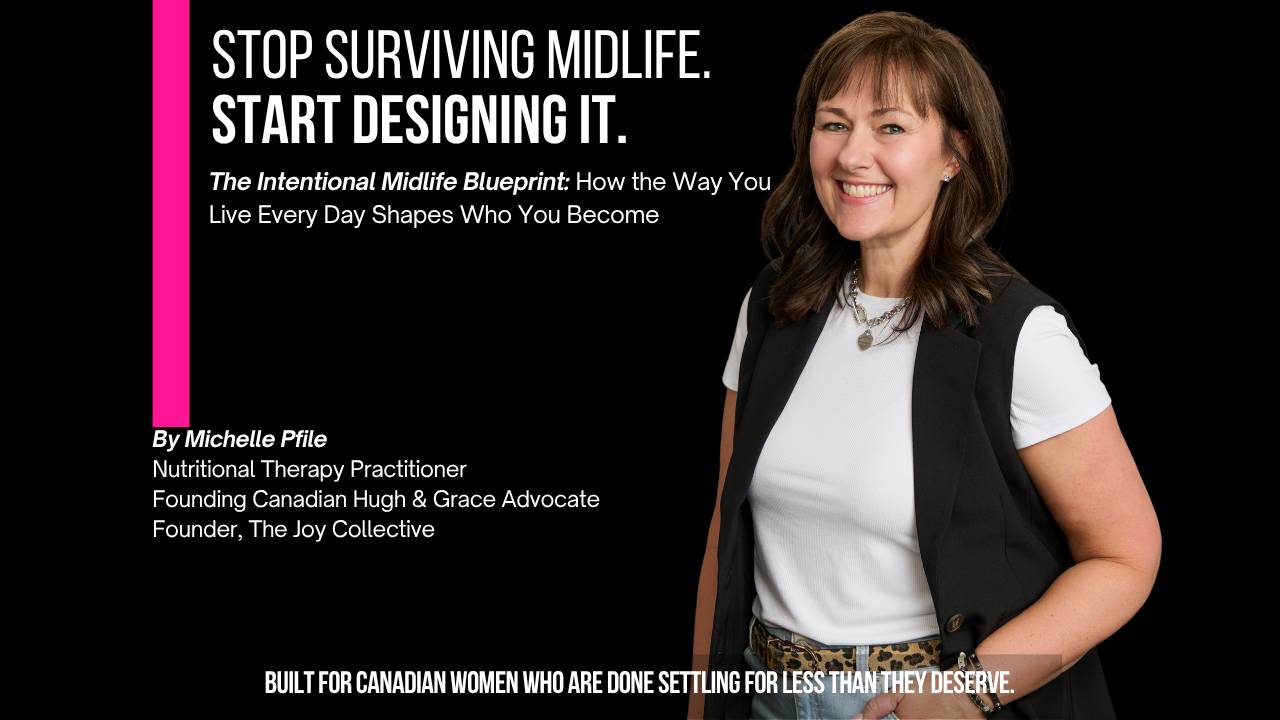
Hormone Health After 40: What Women Need to Know

Hormone Health Changes After 40: Here’s What Most Women Aren’t Told
Many women enter their late 30s and 40s feeling like something suddenly shifted.
Energy drops.
Sleep becomes lighter.
Weight changes.
Skin changes.
Mood swings appear out of nowhere.
And most women are told it’s just “getting older.”
But in reality, these changes are often connected to hormones, metabolism, and environmental exposures that most women were never taught about.
Understanding how your body is changing is the first step toward feeling stronger, more energized, and more in control of your health again.
For Canadian women navigating midlife hormone changes, you can learn more here.
Many women begin noticing changes in their late 30s and early 40s — shifts in energy, sleep, weight, mood, and resilience.
This stage of life, often called perimenopause, is a natural transition. But that doesn’t mean we have to struggle through it blindly.
Hormone health is influenced by nutrition, stress, sleep, environmental toxins, and the products we use every day. Understanding these factors can help women feel stronger, more energized, and more in control of their health.

What Happens to Hormones After 40
During perimenopause, hormones begin to fluctuate. Estrogen levels rise and fall unpredictably, progesterone gradually declines, and the body becomes more sensitive to stress and blood sugar fluctuations.
These changes can influence energy, metabolism, sleep quality, mood, and even how our bodies respond to food and exercise.
Common Signs of Hormone Imbalance
• persistent fatigue
• stubborn weight gain
• brain fog
• sleep disruption
• mood changes
• skin changes
• digestive issues
Many women assume these symptoms are simply part of aging, but lifestyle factors and environmental exposures can play a significant role.
Hidden Hormone Disruptors
Many everyday products contain chemicals that interfere with our endocrine system — the network of glands responsible for producing and regulating hormones.
These endocrine-disrupting chemicals can be found in skincare, fragrances, cleaning products, plastics, and even some supplements.
Reducing exposure to these compounds can be an important step toward supporting hormone health.

Foundations That Support Hormone Health
• balanced blood sugar and adequate protein
• restorative sleep
• stress regulation
• strength-based movement
• reducing toxin exposure
My Approach
My work focuses on helping women understand the factors that influence their hormones and make simple, sustainable lifestyle shifts that support long-term health.
This includes nutrition, movement, toxin awareness, and creating a healthier home environment.
Continue Your Hormone Health Journey
I share education, resources, and practical tools to help women over 40 support their hormones and long-term health.
Inside my community we focus on simple lifestyle shifts that make a real difference, including:
• nutrition that supports hormones
• movement and strength training
• reducing everyday toxin exposure
• sleep and stress support
• high-quality wellness products that support the body instead of disrupting it
My goal is to help women feel stronger, clearer, and more confident in their health again.
Explore My Hormone Health Community